Bernese Mountain Dog American Flag
When I first opened the Bernese Mountain Dog American Flag design file, I was immediately struck by how it balances a classic Americana silhouette with the warmth of a beloved breed. This isn't just a dog outline next to some stars and stripes. It feels like a deliberate composition, one that respects both the subject and the flag motif without letting either get lost. As someone who reviews embroidery and design assets for real production use, the first thing I ask myself is whether a design will translate well into thread, fabric, and a finished product someone actually wants to carry around or wear. This one earns a close look.
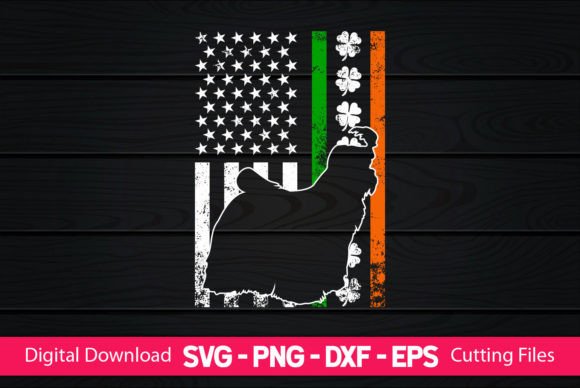
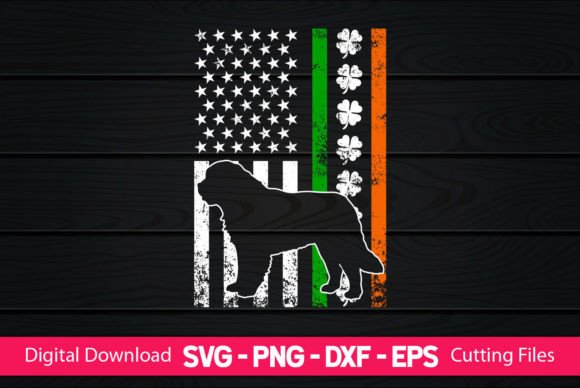
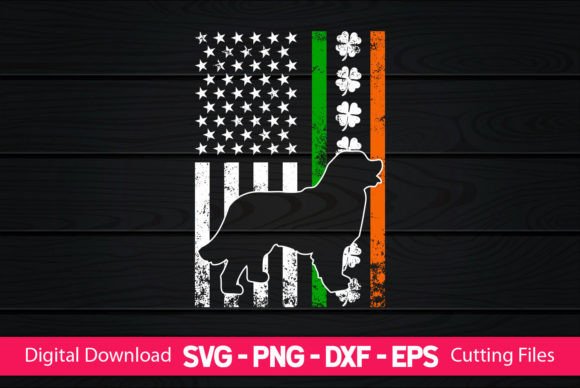
The design reads as a bold, graphic statement. The Bernese Mountain Dog is rendered with a recognizable profile: thick neck, sturdy snout, alert ears, and that loyal, grounded expression the breed is known for. The American flag element wraps around or sits behind the dog, depending on the layout variant. The overall mood is patriotic but not aggressive, proud but not loud. It feels like something you might see on a custom sweatshirt for a local parade or a tote bag sold at a small town boutique. It has heart. And for anyone running a craft business or selling handmade products on Etsy, that kind of emotional appeal is gold.
First Impressions and Visual Personality
The layout feels balanced. The dog's silhouette is the anchor, and the flag details provide a background texture that reinforces the theme without overwhelming the animal. The stars and stripes are stylized enough to work in machine embroidery design or applique design without turning into a thread count nightmare. The linework appears clean and intentional. If I were preparing this for an embroidered patch or a custom apparel run, I would feel confident that the visual personality would hold up at a glance. Customers respond to designs that tell a story without needing explanation. This design says "I love my country and my dog" plainly. That combination is a strong selling point for small shop merchandise.
From a designer perspective, the mood is straightforward and approachable. It is not overly detailed. It does not try to cram in tiny, delicate elements that will vanish inside a 4x4 hoop. The footprint seems suitable for chest embroidery on a sweatshirt, the center of a tote bag, or a cap crown. It also works well as a printable mockup for digital product listings. The Print Templates category suggests the files were originally built with cutting machines in mind, but the clarity of the outlines also makes it viable as an embroidery digitizing reference. I would take this into my software and trace the key shapes for satin stitch and fill stitch layers without fighting jagged edges or confusing overlaps.
Real Use Scenario: Custom Embroidered Tote Bag
Let me walk through a realistic project using the Bernese Mountain Dog American Flag design. I am preparing a run of custom tote bags for a local pet adoption fundraiser. The organizer wants something that feels both festive and personal. I decide to place the design on the front panel of a natural cotton canvas tote. The fabric is midweight, not too stretchy, with a slightly textured weave. I hoop a piece of cutaway stabilizer, float the bag panel on top, and test a small stitch out of the Bernese silhouette first.
The design stitches out cleanly. The dog profile reads true to breed: the broad chest, the gentle slope of the nose, the ear placement. The flag stripes are wide enough that the fill stitch lays flat without puckering. The stars hold their shape as small satin elements. I am using three thread colors: navy, red, and a warm cream for the dog silhouette. The contrast against the natural canvas is strong. I wash the tote gently after stitching to check shrinkage and thread tension. Everything holds. The design looks like it belongs there, not like it was slapped on as an afterthought.
The customer reaction during the fundraiser is exactly what I hoped for. People stop, touch the stitching, ask if I do custom orders. Several ask if I can put the design on a sweatshirt or a baby onesie. That is the kind of response that builds a small shop reputation. This design has genuine product potential because it appeals to a specific audience: Bernese owners, lovers of large breed dogs, and people who want their patriotism to feel personal rather than generic.
Where This Design Shines Best
Based on my test stitch and the file structure, I see several natural use cases for the Bernese Mountain Dog American Flag in a production environment.
- Custom apparel: Sweatshirts, t-shirts, hoodies, and denim jackets. The design reads clearly on both light and dark backgrounds if you adjust thread colors accordingly.
- Tote bags and aprons: The sturdy composition holds up well on canvas, twill, and even heavy linen. It becomes a conversation piece for farmers markets or boutique retail.
- Embroidered patches: The shape and theme make it ideal for iron-on or sew-on patches. I would sew a patch test with a dense fill stitch border and see how it handles edge finishing.
- Baby and kids items: Bernese Mountain Dogs are known as gentle family dogs. A small version of this design on a baby romper or kid's sweatshirt could be a strong seller for pet-loving parents.
- Holiday and gift products: The American flag theme works year-round but especially around holidays like Fourth of July, Memorial Day, and Veterans Day. The dog element keeps it from feeling too generic, which is important for personalized gift buyers.
- Home decor: Pillow covers, tea towels, small wall hangings. The design's graphic quality lends itself to decorative home textiles that feel intentional and custom.
The design asset also works well in printable mockup form. Because the file includes SVG and PNG formats, I can quickly generate product previews for Etsy listings without stitching out every sample. That saves time and lets me test color variations before committing to thread. For a small business owner managing inventory, that is a practical advantage.
Areas That Need Caution
No design is perfect for every application, and I respect this one enough to point out where careful planning matters.
- Small hoop sizes: If you try to fit the full design into a 4x4 hoop with dense flag details, small elements like stars may lose definition. I recommend testing at least a 5x7 hoop or sizing the design so the dog silhouette remains the dominant shape. Shrinking it too much will blur the breed identification.
- Thin or stretchy fabric: The flag stripes require a decent stitch count. On lightweight knits or single-layer jersey, the fabric may pucker. I would use a stable cutaway stabilizer and consider a water-soluble topper for textured knits like pique or sweater fleece.
- Dark fabrics: If you stitch the dog silhouette in a light color over dark fabric, check that the fill stitch density is high enough to hide the background. A medium fill stitch may let dark fabric peek through. I would add an extra layer or use a white underlay.
- Curved surfaces like caps: The design has a balanced layout with both horizontal and vertical elements. Cap frames have limited space and curvature. I would test the design on a curved hoop before committing to a production run. Small flag details near the edge may distort.
- Dense stitch areas: The union of the flag and the dog profile creates overlapping stitch zones. Check your digitizing software for stitch density warnings. If the file was originally built for cutting machines rather than embroidery, you may need to adjust the pathing to avoid thread breaks.
These are not dealbreakers. They are the kind of practical checks any experienced embroiderer would run before loading the design into a production queue. The embroidery file format you use matters, and while this product comes as SVG, PNG, DXF, and EPS for cutting machines, you will want to confirm that your preferred embroidery software can import and convert the paths into stitch data. If the design is intended strictly as a digital embroidery file, verify that it includes stitch-ready formats before assuming it is ready to hoop.
Practical Designer Notes Before You Stitch
I have been testing and reviewing design assets for years, and I have learned that the smallest preparation step often determines whether a project feels finished or amateur. Here are the notes I keep on my worktable when I review the Bernese Mountain Dog American Flag.
- Test on scrap fabric first. I cannot stress this enough. Even if the file looks clean on screen, the thread behavior can differ across fabric textures. Run a small sample on a similar weight fabric to your final product.
- Check thread color contrast. The design relies on the contrast between the flag colors and the dog silhouette. If you use a dark navy for the flag and a dark gray for the dog, the shape may blend. I recommend a warm white, cream, or light tan for the dog against red and navy.
- Review stitch density. If you are converting from the provided SVG to an embroidery format, examine the path density. Thick fill areas may need adjustment to prevent a stiff, heavy feel.
- Confirm hoop size. The design appears to fit comfortably within a 5x7 hoop at maximum size. If you only have a 4x4, test a scaled-down version and ensure the dog's facial features still read clearly.
- Inspect small details. The stars and the dog's ear shape are the most vulnerable points. If your stitch software shows tiny, closed shapes, simplify them or enlarge the design slightly.
- Test in black and white mockups. Before committing thread, view the design as a grayscale printable mockup. This helps you see contrast issues and shape clarity without wasting materials.
- Compare light and dark backgrounds. The design may look drastically different on a white t-shirt versus a black hoodie. Prepare test prints or mockups on both to decide your production lineup.
- Use proper stabilizer. For the flag stripes, a medium-weight cutaway is ideal. For dense areas, a tear-away may not give enough support. Match the stabilizer to the fabric and stitch density.
- Check licensing before selling finished items. The product is a digital file for cutting machines, and the description does not explicitly state commercial embroidery rights. If you plan to sell handmade products or commercial embroidery using this design, contact the seller to confirm licensing terms. Do not assume that personal use permits Etsy sales or production runs.
These steps are not optional if you want your finished products to look professional. Buyers notice when stitching is crisp, colors are well chosen, and the design sits flat on the fabric. A rushed project with poor stabilizer or mismatched thread will hurt your brand consistency and customer trust far more than taking an extra hour to test first.
How This Design Affects Product Value and Customer Engagement
From a business standpoint, the Bernese Mountain Dog American Flag offers a clear path to increased product value. The design fills a specific niche: dog lovers who also want a patriotic aesthetic. That is not an overcrowded market. When a customer sees a well-stitched Bernese on a quality sweatshirt or tote, they attach emotional value to the item. They are more likely to pay a premium, leave a positive review, and recommend your shop to others.
The design also supports giftability. A personalized tote or embroidered pillow with this design works as a gift for Bernese owners, military families, or anyone who appreciates a thoughtful, custom product. The recognition factor is high: Bernese owners instantly identify the breed, and the flag element gives the item a broader appeal. For an Etsy seller or small shop, that dual audience translates into more sales, more visibility, and stronger buyer engagement.
The professionalism of your finished product also reflects back on the design itself. A clean, well-placed stitch out tells buyers that you care about quality. That builds customer trust over time. I have seen designs that look average on screen but become bestsellers because the embroiderer took the time to refine thread colors, stabilizer choices, and placement. This design gives you that foundation. It is not trying to be everything at once. It is a solid, emotionally resonant graphic that works across multiple product categories.
Final Thoughts Before You Hoop
I have reviewed enough machine embroidery design files to know that the difference between a product that sells and one that sits in a drawer often comes down to how well the design matches the intended use. The Bernese Mountain Dog American Flag feels like a design that knows what it is. It is not trying to be hyper-realistic or overly intricate. It is a clean, recognizable graphic that appeals to a specific audience with genuine enthusiasm.
My recommendation: Test it. Stitch it on a tote, a sweatshirt, and a patch. See how it handles in your hoop. Adjust where needed. Then build a small product line around it. The combination of a beloved breed and a national symbol is a natural conversation starter. For a handmade product business, that kind of emotional connection is exactly what drives repeat customers and word-of-mouth growth.
The Graphics format of the files gives you flexibility for both embroidery and print-on-demand mockups. Whether you are running a full commercial embroidery operation or a small Etsy shop, this design belongs in your test queue. Just remember to confirm your hoop size, check the thread tension, and verify licensing before you sell. If you do those things, the Bernese Mountain Dog American Flag has real potential to become a steady performer in your product lineup.