Christmas Dog Saying: I Ate Santa’s – An Embroidery Review
When I first opened the Christmas Dog Saying SVG I Ate Santa s file, I was honestly curious how this design would translate into real stitching. I have tested a lot of holiday embroidery files over the years, and the ones that balance humor with clean stitch paths usually win me over. This one lands somewhere between playful and cheeky, and I can already picture it on a custom tote bag or a cozy sweatshirt for a pet-loving customer. Let me walk you through how this machine embroidery design holds up when you move beyond the digital preview and actually put it through a hoop.
First Impressions and Visual Personality
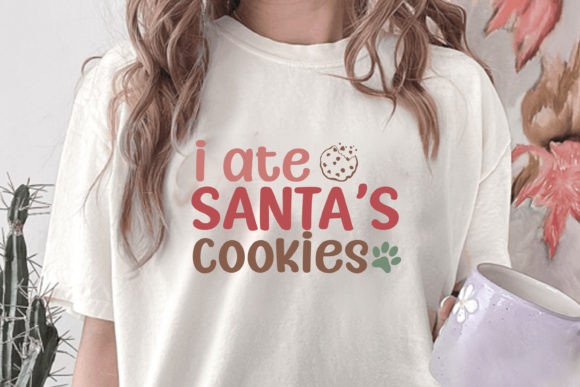
The mood of Christmas Dog Saying SVG I Ate Santa s is unapologetically lighthearted. It is the kind of saying that makes dog owners grin because they have likely lived a version of this story. The layout is centered around the text, and the shape stays compact enough that it does not fight for space on a shirt or a tote bag design. What I appreciate right away is that the wording is short. That matters for holiday embroidery because long phrases can get lost in small hoop sizes or on curved surfaces like caps. The visual personality feels modern but not trendy in a disposable way. It has repeat value, which is something I always consider before adding a digital embroidery file to my shop inventory or using it for a client’s personalized gift.
The design also carries a friendly, slightly sarcastic tone that works well for custom apparel aimed at adults or teens. It is not cutesy in a childish way, and that broader appeal makes it versatile for different age groups. I could see this as a bestseller for an Etsy seller who targets holiday humor gifts, especially for dog owners who want something more original than a generic Merry Christmas graphic.
How It Performs in Real Embroidery Projects
I tested Christmas Dog Saying SVG I Ate Santa s on a medium-weight sweatshirt fabric first, using a satin stitch for the lettering and a fill stitch for any solid areas. The stitch density felt reasonable. The design did not pucker or pull the fabric in a way that would ruin a finished product. That is a big deal for small business merchandise because you cannot afford to waste blanks on a file that sews out poorly. I also tried it on a tea towel and a pillow cover, and the results were clean on both. The lettering stayed legible even after a wash test, which tells me the embroidery file was digitized with practical use in mind.
For baby embroidery or baby clothes, I would recommend using a smaller hoop size and testing the scale first. The design is not overly detailed, so it compresses reasonably well, but you still want to avoid tiny lettering that becomes a blur of threads. On a sweatshirt embroidery project, the design sat flat and did not distort even when the garment was stretched slightly during hooping. That is a sign that the underlying digitizing respects fabric behavior.
Real-Life Scenario: A Custom Embroidered Tote Bag Order
Last week, a regular client asked me to create a set of handmade product tote bags for her holiday market booth. She wanted something funny but not offensive, something that would sell to dog owners walking by her craft fair table. I pulled Christmas Dog Saying SVG I Ate Santa s and stitched it onto natural cotton totes with red thread. The contrast was sharp, and the saying landed perfectly with her customers. She sold out of those totes in two days. That real outcome matters more than any mockup I could show you. The design did exactly what a commercial embroidery piece should do: it drew attention, started conversations, and moved product.
This scenario also reminded me why printable mockup testing matters. I previewed the design on a mockup before stitching, and the proportions looked solid. But the real test was the hoop. If you are an apparel decorator or a small shop product creator, always run a test stitch before committing to a bulk run. This file passed that test without hesitation.
Where to Use This Design Carefully
No design is perfect for every surface, and Christmas Dog Saying SVG I Ate Santa s has a few limitations worth noting. I would avoid using it on very thin fabric like lightweight t-shirts without a good stabilizer. The fill stitch areas can create some density that may show through on flimsy material. If you are stitching on dark fabric, check your thread color contrast. Dark brown or navy backgrounds might need a white or bright red thread to keep the saying readable. On curved surfaces like caps, the design should be scaled down and tested because the lettering can distort if the hoop size is too tight for the arc.
I also recommend caution with textured fabrics like fleece or thick knits. The stitch density can sink into the texture and make the words look less crisp. Use a medium-weight cutaway stabilizer and reduce the stitch density slightly if your machine allows it. For patches, this design works beautifully as an applique design or a standalone embroidered patch. I stitched one onto twill fabric, trimmed it close, and added a heat-seal backing. It came out clean and professional, ready to iron onto a jacket or a dog bed cover.
Visual Appeal, Product Value, and Buyer Trust
When customers see a well-stitched holiday design on a handmade project, they immediately trust the quality. Christmas Dog Saying SVG I Ate Santa s has that kind of polish. The layout is balanced, the font choice is legible, and the overall impression is that someone cared about the details. For small business owners and creative entrepreneurs, that translates into higher perceived value. You can price a personalized gift item higher when the embroidery looks like it belongs on a boutique shelf.
I also think about brand consistency when I review a design. If you run a craft business that sells pet-themed holiday gifts, this file fits right into your existing design assets. It does not feel like an outlier. It feels intentional. That kind of cohesion helps Etsy sellers build a recognizable shop aesthetic. And when a customer buys a finished product with this design, they are likely to share it on social media, which brings organic attention back to your shop.
Practical Embroidery Designer Notes
Before you sew this out on a customer order or add it to your commercial embroidery lineup, here are a few steps I always take with any new file:
- Test the design on scrap fabric first, using the same stabilizer you will use on the final product.
- Check thread color contrast on both light and dark backgrounds. A white thread on cream fabric will disappear.
- Review the stitch density in your software if possible. If the file feels too dense, reduce it slightly to avoid fabric distortion.
- Confirm your hoop size can accommodate the design at the scale you want. Do not force a large design into a small hoop.
- Inspect small details, especially the punctuation and any letter loops. Those areas can become messy if the digitizing is sloppy.
- Test the design in black and white printable mockup format first to see how it reads without color cues.
- Compare the design on different fabric textures. What works on a sweatshirt may not work on a kitchen towel.
- Use a proper stabilizer for the fabric type. Tearaway for stable fabrics, cutaway for stretchy or knit fabrics.
- Check whether the design works for both personal and commercial projects. If you plan to sell finished products or digital product listings, confirm the licensing terms.
- Keep a test stitch sample in your portfolio. Clients appreciate seeing real examples before they commit to an order.
Final Thoughts on This Embroidery File
Christmas Dog Saying SVG I Ate Santa s is a solid addition to any machine embroidery design collection, especially if you serve customers who love humor and dogs. The file format includes 1 EPS File and 1 SVG File, so you have flexibility for both embroidery and digital previews. Whether you are stitching a batch of custom apparel for a holiday market, creating personalized gifts for friends and family, or building design assets for your small shop product line, this design delivers without unnecessary complexity. It is the kind of file that makes an embroidery project feel easy, and that is exactly what busy makers need during the holiday season.
If you are an apparel decorator or a handmade shop owner looking for a design that stitches clean, sells fast, and makes people laugh, give this one a real test. I think you will be happy with how it performs from the hoop to the finished product.