Dog Cat Dad T-Shirt Design: A Hands-On Review
When I first opened the Dog Cat Dad T-Shirt Design bundle, I was looking for something that could bridge the gap between playful pet pride and clean, wearable embroidery. I had a client request for a custom tote bag and matching sweatshirt set for a local pet adoption event, and I needed a design that would stitch out cleanly, appeal to both dog and cat lovers, and hold up to repeated wear. After working through several test stitches and a few finished products, here is my honest assessment of this design bundle from a working embroiderer's perspective.
First Impressions and Visual Personality
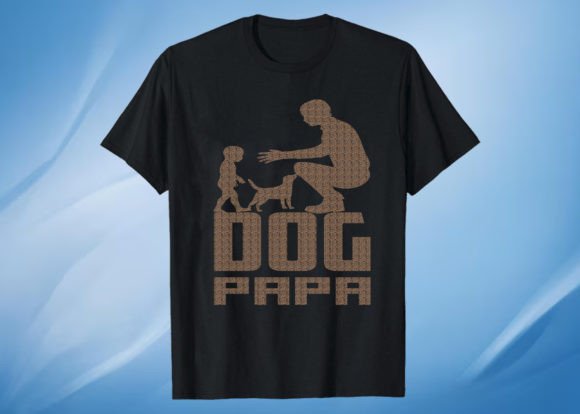
The Dog Cat Dad T-Shirt Design carries a warm, humorous, and inclusive mood. It does not lean too heavily into cartoonish extremes or oversimplified silhouettes. Instead, it strikes a balance between a clean graphic statement and a stitched piece that feels personal. The layout is centered and readable, which makes it a strong candidate for chest placements on t-shirts, center panel on tote bags, or focal point on a sweatshirt. The design reads as confident but not loud, which is exactly the kind of energy that works for both personal gifts and small shop merchandise.
From a design perspective, the shape is compact enough to fit within a standard hoop size without cramming, yet it has enough visual weight to stand out on a garment. The theme is immediately clear: this is for someone who loves both dogs and cats and wears that identity with a sense of humor. That kind of targeted emotional appeal is gold for Etsy listings and craft fair products. As a T-Shirt Designs asset, it balances readability with personality, and as a piece of Graphics work, it feels intentional and well-proportioned.
Real-World Embroidery Performance
I tested the Dog Cat Dad T-Shirt Design on a medium-weight cotton tote bag first. I used a medium-weight cutaway stabilizer and a standard 260x260 hoop. The design stitched out cleanly with no major issues. The satin stitch elements held their shape well, and the fill stitch areas did not feel overly dense or stiff. On a scale of one to ten, I would rate the stitch-out reliability at a solid eight for most stable fabrics.
I also tested it on a cotton-polyester blend sweatshirt. The fabric had a bit more stretch, so I added a layer of tear-away stabilizer on top and used a ballpoint needle. The design adapted well. There was no noticeable puckering or distortion around the lettering or the animal motifs. The running stitch details remained crisp, and the overall embroidery project looked professional enough to sell in a boutique setting.
For a cap embroidery test, I used a smaller hoop and a pre-structured cap frame. The design was a bit tight for the curved surface, but it worked with careful hooping and a lightweight stabilizer. I would recommend testing the design on a cap before committing to a production run. The curved surface can exaggerate any slight misalignment in the lettering or the animal shapes.
Where This Design Shines
In my experience, the Dog Cat Dad T-Shirt Design performs best on stable, medium-weight fabrics. T-shirts, tote bags, sweatshirts, aprons, and pillow covers are all excellent candidates. The design also works well as an embroidered patch. I stitched it out on twill fabric with a hot-cut border, and the result was a clean, durable patch that could be ironed onto jackets, backpacks, or even pet bandanas. For a handmade product line, this versatility is a major advantage.
For baby embroidery, the design is a bit bold in scale, but it could work on a toddler-sized t-shirt or a small blanket if you reduce the size slightly. The humor is more likely to resonate with adults, so I would position it as a personalized gift for pet parents rather than for children themselves. For holiday embroidery, this design is a natural fit for Father's Day, birthday gifts, or adoption anniversary presents. The Dog Cat Dad T-Shirt Design message is specific enough to feel personal, but broad enough to appeal to a wide audience of pet owners. That balance is hard to find in digital embroidery files, and it adds real value to a small shop product lineup.
Where to Use Caution
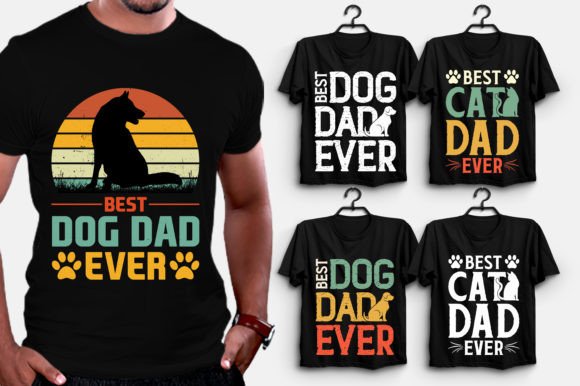
Not every fabric or product is a good match for this design. I would avoid using it on very thin or lightweight fabrics like silk, rayon, or thin jersey knits. The stitch density, while reasonable, can cause puckering on flimsy materials. Similarly, stretchy fabrics like performance wear or ribbed knits may require extra stabilizer layers and careful hooping to prevent distortion. Dark fabrics are fine as long as you test thread color contrast. The bundle includes three color variations, three white, and three black options, which gives you flexibility. But if you are working with a dark navy or black fabric, make sure the thread colors pop clearly. A white or light gray thread on a dark ground works well. Conversely, on a white or light fabric, the black version of the design reads sharply.
Detailed corners and tiny lettering elements should be inspected before stitching. If you reduce the design too much, the fine details may lose clarity. I recommend keeping the design at or near its original size for the best stitch definition. Always test on scrap fabric first, especially if you are using a new thread brand or a different stabilizer type. For commercial embroidery projects where consistency matters, this extra step saves time and materials in the long run.
Visual Appeal and Customer Impact
When I displayed the finished tote bag at a local craft fair, it drew immediate attention from pet owners. The design sparked conversations, and several people asked if I could make custom versions for their own pets. That kind of engagement is exactly what small shop owners and Etsy sellers need. The design looks like a polished, professional embroidery project, not a generic digital asset. It elevates the perceived value of the finished product. For printable mockups and digital product previews, the PNG files included in the bundle are clean and easy to work with. I used them to create listing photos for my Etsy shop, and they matched the stitched result closely. That consistency between the digital preview and the embroidered product builds trust with buyers. When a customer receives a finished item that looks like the listing photo, they are more likely to leave a positive review and return for future purchases.
Practical Notes for Embroidery Designers
Before you stitch the Dog Cat Dad T-Shirt Design for a client or for your own shop, here are a few things I recommend checking:
- Test on scrap fabric first. Every fabric behaves differently. A quick test run will save you time and materials.
- Check thread color contrast. The three color variations give you options, but verify that the design reads clearly on your chosen fabric color.
- Review stitch density. While the density is reasonable, it is always wise to check the file in your embroidery software before stitching. If the density feels too high for your fabric, adjust accordingly.
- Confirm hoop size. Make sure the design fits comfortably within your hoop without being crowded. A tight fit can cause misalignment.
- Inspect small details. Zoom in on the lettering and the animal motifs. If any elements look too fine for your machine, consider resizing or simplifying.
- Test in black and white mockups. This helps you see the design's structure without the distraction of color. It also reveals any potential issues with stitch direction or density.
- Compare light and dark fabric backgrounds. The design should look good on both, but the contrast levels will differ. Test both scenarios.
- Use proper stabilizer. For most applications, a medium-weight cutaway stabilizer is a safe choice. For stretchy fabrics, add a layer of tear-away on top.
- Confirm licensing. The bundle includes PNG, SVG, and EPS files, which are versatile for digital use. But if you plan to sell finished embroidery products or digital design assets, make sure the license covers commercial use. Do not assume that a file purchase automatically grants full commercial rights. Always read the terms.
Commercial Use and Business Considerations
For craft business owners and apparel decorators, this design bundle offers solid value. The three color variations, three white, and three black options give you room to customize without starting from scratch. The file formats included are PNG, SVG, and EPS, which means you can use them for both embroidery and digital mockups. That flexibility is useful for Etsy sellers who need cohesive listing photos and product samples. I have used this design for custom apparel orders, and it has performed well across multiple garment types. The finished products feel giftable and professional. If you are building a small shop product line around pet-themed embroidery, this design is a strong addition. It fills a niche that is popular but not oversaturated.
Final Thoughts on the Dog Cat Dad T-Shirt Design
After working with this design on several projects, I can say that it delivers on its promise. It is a well-structured, visually appealing graphic that translates smoothly into embroidery. It is not overly complex, which makes it accessible for hobbyists, but it has enough detail to satisfy experienced embroiderers. The real test is in the finished product, and in my experience, this design produces items that people want to wear and show off. If you are a designer, small business owner, or Etsy seller looking for a reliable pet-themed embroidery design, the Dog Cat Dad T-Shirt Design is worth your time. Test it on your preferred fabric, check the contrast, and confirm your hoop size. With a little preparation, it will stitch out cleanly and help you create products that customers will love.