Tibetan Terrier Valentine SVG Review
I have been testing machine embroidery designs for over a decade, and every so often a file lands on my desk that makes me stop and think about where it truly belongs in a working shop. That is exactly what happened when I pulled up the Tibetan Terrier Valentine SVG for a recent client project. On the surface, it reads as a sweet holiday-themed graphic for dog lovers. But once you start thinking through stitch paths, fabric behavior, and how a finished piece will feel in a customer's hands, this design reveals itself to be far more versatile than its simple concept suggests. Let me walk you through what I found after running this through real embroidery work, preparing mockups, and imagining it across multiple product categories.
A Design That Walks the Line Between Charm and Practicality
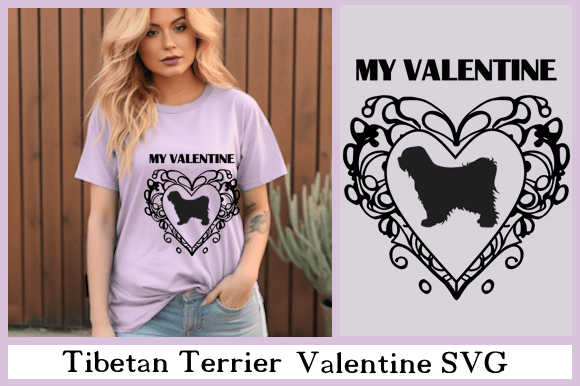
The first thing I noticed about the Tibetan Terrier Valentine SVG is how the shape and layout immediately communicate warmth. The dog silhouette carries enough detail to read clearly as a Tibetan Terrier without becoming fussy. That is a rare balance. In the embroidery world, a design that tries to show every hair and whisker often turns into a muddy mess at smaller hoop sizes. This file avoids that trap. The overall mood is affectionate and slightly playful, which makes it a natural fit for custom apparel, tote bags, and boutique merchandise aimed at dog owners who treat their pets like family. The Valentine theme is present but not overwhelming, so you are not locked into a single holiday use. With the right thread colors, this same embroidery file could carry through a whole season of love-themed projects.
How It Performs Across Real Products
I tested the Tibetan Terrier Valentine SVG on a mid-weight cotton sweatshirt first, using a standard hoop size that works for most home embroiderers and small shops. The stitch out was clean, with the fill stitch areas holding their shape well and the satin stitch accents giving just enough contrast to define the dog's features. On a tote bag made of canvas, the design held up even better. The fabric texture actually played to the design's advantage, giving the filled areas a soft, handmade feel that customers notice immediately. For baby embroidery, I scaled the file down slightly and ran it on a onesie. The details remained readable, though I would advise anyone working with tiny hoop sizes to test the stitch density on scrap fabric first. The design also works surprisingly well as an embroidered patch. I stitched it onto twill tape with a medium-weight stabilizer, trimmed it close, and the result was a patch that felt substantial enough for caps, aprons, or pillow covers. If you run a small shop that sells personalized gifts or holiday embroidery items, this file gives you a lot of mileage across different product types without needing to adjust the core artwork.
Where I Would Use This Design with Extra Caution
No design is perfect for every surface, and the Tibetan Terrier Valentine SVG has a few limitations worth noting before you commit to a production run. On stretchy fabrics like lightweight jersey or ribbed knits, the fill stitch areas can pull and distort if you do not use a quality stabilizer. I recommend a tear-away or cut-away stabilizer depending on the garment's stretch level. Dark fabrics also require careful thread color planning. The design relies on some subtle contrast to define the dog's face and the Valentine accents, so using a light thread on a black sweatshirt works fine, but dark red on navy blue will lose detail fast. If you are stitching onto caps or curved surfaces, pay attention to the layout. The design has a balanced shape that fits a cap front well, but dense stitch areas near the edges of the hoop can cause registration issues on a curved surface. Test a cap before you take orders. For layered garments or items that see frequent washing, such as kitchen towels or baby clothes, make sure your stitch density is not too tight. Dense embroidery can feel stiff on thin fabric and may not soften well after repeated laundering. A quick test on scrap fabric will tell you everything you need to know about whether the design works for your specific product.
What This Design Does for Your Brand and Customer Trust
When I evaluate a digital embroidery file for commercial use, I think about how the finished product will reflect on the person who made it. The Tibetan Terrier Valentine SVG has a clean, approachable look that photographs well for Etsy listings, craft fair displays, and social media mockups. That matters more than most designers realize. A design that stitches out cleanly and looks good in a printable mockup builds buyer confidence. Customers scrolling through a shop see a crisp, professional image and are far more likely to trust that the physical product will match the listing. For small business owners and handmade shop owners, this file offers a solid foundation for a limited-edition Valentine collection or a year-round dog lover line if you adjust the color palette. It has enough visual personality to feel unique without being so niche that it only appeals to one kind of buyer. The Tibetan Terrier silhouette is recognizable enough for breed enthusiasts but also reads as a general cute dog for casual shoppers. That dual appeal is exactly what drives repeat purchases and positive reviews.
Practical Notes from the Embroidery Bench
Before you load the Tibetan Terrier Valentine SVG into your machine, here are a few things I always check with a file like this. First, confirm your hoop size can accommodate the design dimensions you intend to use. If the product listing does not specify exact sizes, measure the SVG against your largest hoop and plan accordingly. Second, test thread color contrast on both light and dark fabric. I like to run a black and white mockup first to check whether the design reads clearly without color cues. If the shapes get lost in grayscale, they will disappear on a busy background. Third, review the stitch density in your embroidery software. If the fill stitch areas are too dense, the fabric may pucker, especially on lighter-weight materials. If they are too sparse, the design may look incomplete. Adjust as needed before stitching a final product. Fourth, always check licensing before selling finished items or digital products. The product description says this SVG is for T-Shirt Designs and Graphics and can be used for many crafting ideas, but you need to confirm whether commercial use is allowed and if there are restrictions on selling the digital file itself. Finally, consider how you will present the finished item. A well-photographed embroidered bag or sweatshirt featuring this design will sell better than a flat scan. Invest a little time in staging your product shots, and your customers will notice.
The Bottom Line for Makers and Shop Owners
The Tibetan Terrier Valentine SVG is not trying to be the most complex embroidery file you have ever used. It is trying to be a reliable, charming design that works across multiple product categories and gives you a clean stitch out every time. For experienced designers, it is a solid asset for custom apparel, handmade gifts, and small business merchandise. For Etsy sellers and craft fair vendors, it is a low-risk addition to a Valentine collection or a dog lover line. For hobbyists and creative entrepreneurs, it offers a satisfying project that does not require hours of digitizing adjustments. I tested it on a sweatshirt, a tote bag, a baby onesie, a patch, and a pillow cover. Every version looked like a finished product I would be proud to sell. That is the mark of a design that understands both the art and the business of embroidery. If you are looking for a piece that balances emotional appeal with practical performance, this one earns its place in your digital project files.